Cooking Utensil Materials
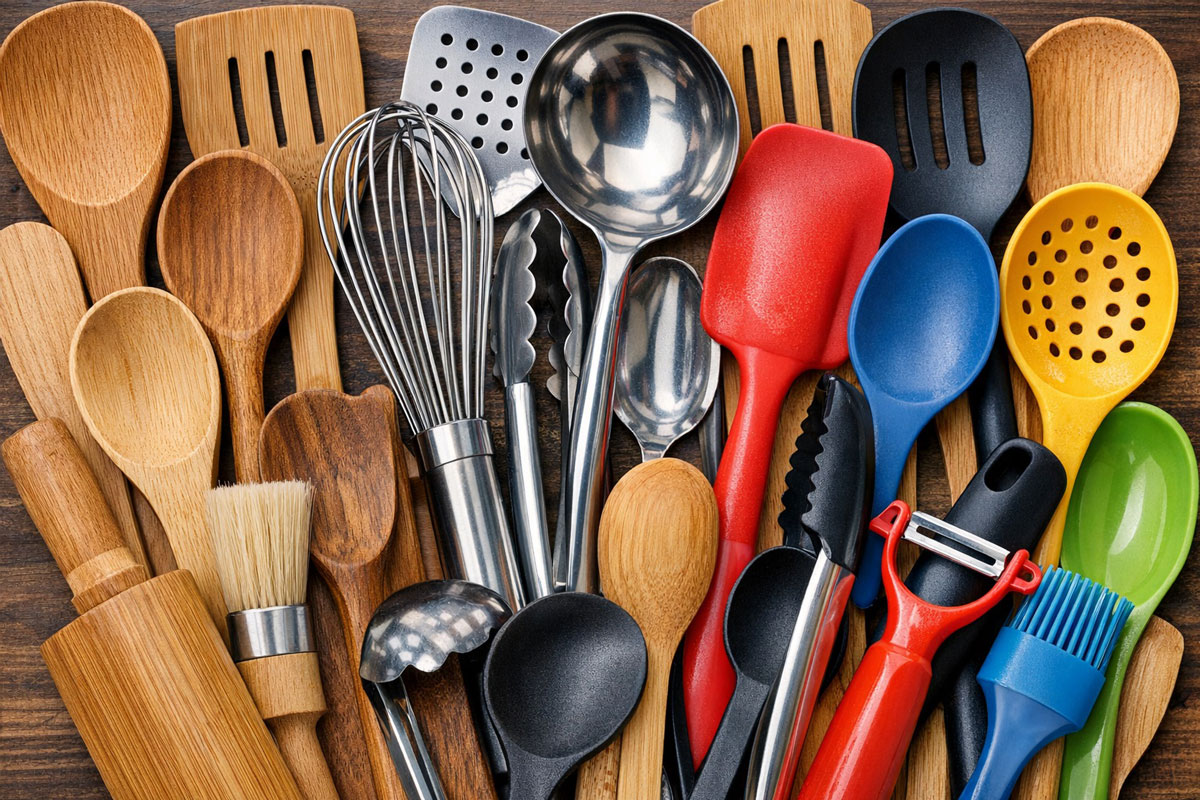
Choosing the right cooking utensil materials can make a huge difference in your daily kitchen experience. Whether you’re preparing a quick meal or experimenting with new recipes, the tools you use directly impact efficiency, durability, and overall comfort.
From traditional wooden spoons to modern silicone spatulas, each material comes with its own set of strengths and weaknesses. Understanding these differences helps you make smarter decisions—especially if you plan to invest in quality tools.
Why Material Matters in the Kitchen
The material of a utensil affects:
- Heat resistance
- Durability over time
- Interaction with cookware surfaces
- Ease of cleaning
- Even food safety sometime.
A poor choice may lead to damaged cookware, faster wear, or even unpleasant cooking experiences.
Key Factors to Consider
Before buying kitchen utensils, consider:
- Frequency of use
- Type of cookware (non-stick, stainless steel, cast iron)
- Budget
- Preference for eco-friendly materials
Wooden Utensils – Natural and Traditional
Wooden utensils remain a timeless choice in kitchens around the world.
Advantages of Wood
Wood offers several benefits:
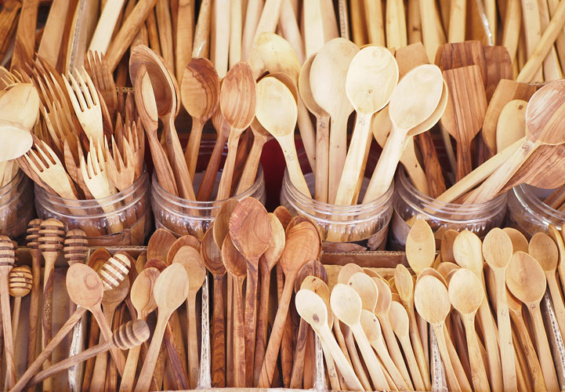
- Gentle on all cookware surfaces
- Does not conduct heat
- Comfortable grip
- Natural and aesthetically pleasing
They are especially ideal for stirring sauces and soups without scratching pots and pans.
Disadvantages
Despite their charm, wooden utensils have limitations:
- Absorb moisture and odors
- Require careful cleaning
- Not dishwasher safe
- Can crack over time
Price Range
- Individual utensils: $3 – $10 / €3 – €9
- Premium sets: $15 – $40 / €15 – €35
Wooden tools are affordable and widely available, making them a popular entry-level choice.
Stainless Steel – The Professional Standard
Stainless steel is widely used in professional kitchens due to its durability and reliability.
Benefits
- Extremely durable and long-lasting
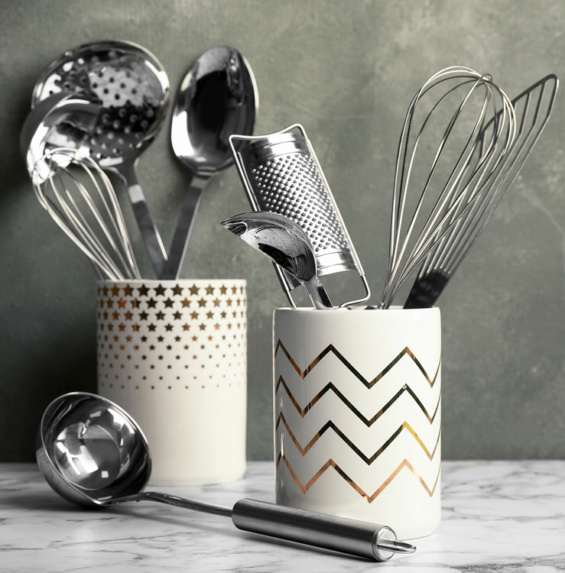
- Resistant to rust and corrosion
- Easy to clean and dishwasher safe
- Does not retain odors or stains
Drawbacks
- Can scratch non-stick cookware
- Heavier than other materials
- Conducts heat quickly
Price Range
- Individual utensils: $5 – $15 / €5 – €14
- Sets: $25 – $80 / €25 – €75
Although slightly more expensive, stainless steel offers excellent long-term value.
Silicone – Modern and Flexible
Silicone utensils have gained popularity due to their versatility.
Advantages
- Heat-resistant (often up to 200–250°C / 392–482°F)
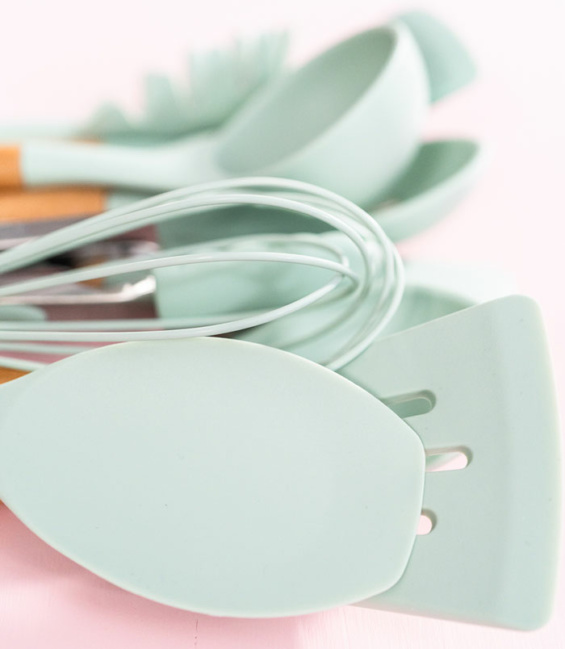
- Safe for non-stick surfaces
- Flexible and lightweight
- Dishwasher safe
Disadvantages
- Lower rigidity for heavy tasks
- Quality varies significantly
- May absorb odors over time
Price Range
- Individual utensils: $4 – $12 / €4 – €11
- Sets: $20 – $60 / €20 – €55
Silicone is a great mid-range option for modern kitchens.
Plastic – Budget-Friendly Option
Plastic utensils are common due to their low cost and accessibility.
Advantages
- Very affordable
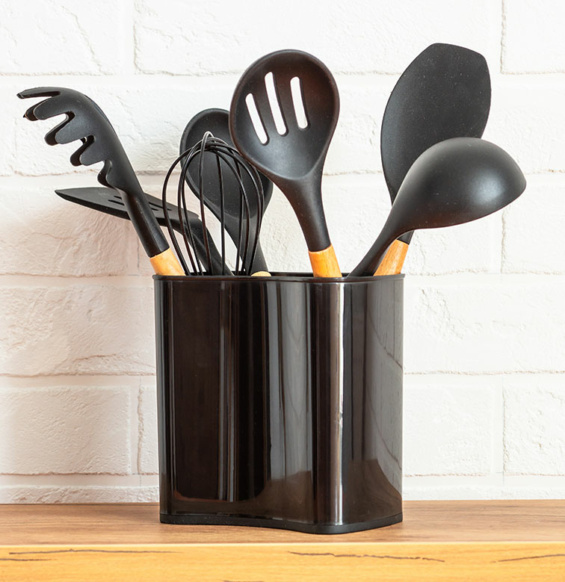
- Lightweight
- Available in many designs
Disadvantages
- Low heat resistance
- Can warp or melt
- Less durable over time
- Sometimes dangerous – microplastic.
Price Range
- Individual utensils: $1 – $5 / €1 – €5
- Sets: $10 – $30 / €10 – €28
Plastic is ideal for occasional use but not for long-term durability.
Bamboo – Eco-Friendly Alternative
Bamboo is becoming increasingly popular among eco-conscious consumers.
Advantages
- Sustainable and biodegradable
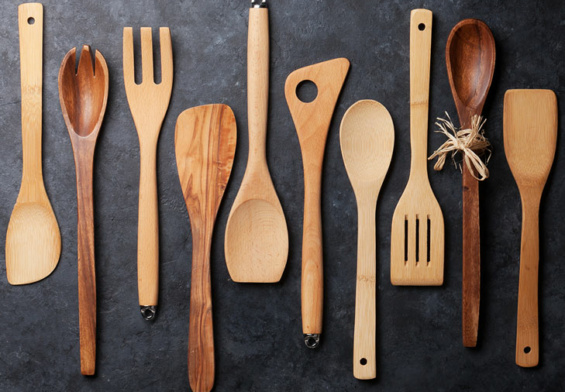
- Lightweight yet strong
- More moisture-resistant than wood
Disadvantages
- Can crack if not maintained
- Requires hand washing
- Slightly higher price than basic wood
Price Range
- Individual utensils: $3 – $12 / €3 – €11
- Sets: $15 – $45 / €15 – €40
Bamboo offers a great balance between sustainability and performance.
Aluminum and Other Metals
Although less common for utensils, aluminum and similar metals are used in certain tools.
Advantages
- Lightweight
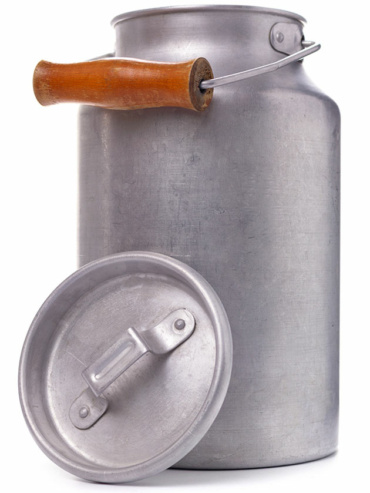
- Good heat conductivity
- Affordable
Disadvantages
- Can react with acidic foods
- Less durable than stainless steel
- Prone to bending
Price Range
- Individual utensils: $3 – $10 / €3 – €9
These are typically used for specific purposes rather than everyday cooking.
Comparison Table of Cooking Utensil Materials
| Material | Durability | Safety | Price Level | Maintenance |
|---|---|---|---|---|
| Wood | Medium | High | Low | Medium |
| Stainless Steel | Very High | High | Medium | Easy |
| Silicone | High | High | Medium | Easy |
| Plastic | Low | Medium | Very Low | Easy |
| Bamboo | High | High | Medium | Medium |
| Aluminum | Medium | Medium | Low | Easy |
Understanding different cooking utensil materials is essential for building an efficient and enjoyable kitchen setup. Each material—whether wood, stainless steel, silicone, or bamboo—offers unique advantages and trade-offs.
For most users, the best approach is to combine multiple materials to cover different cooking needs. This strategy also works perfectly for content monetization, allowing you to recommend a variety of products through Amazon links and display ads.
By choosing wisely, you can create a kitchen that is not only functional but also aligned with your lifestyle, budget, and sustainability goals.